
Netflix Data Engineer Interview Guide (2026 Edition)

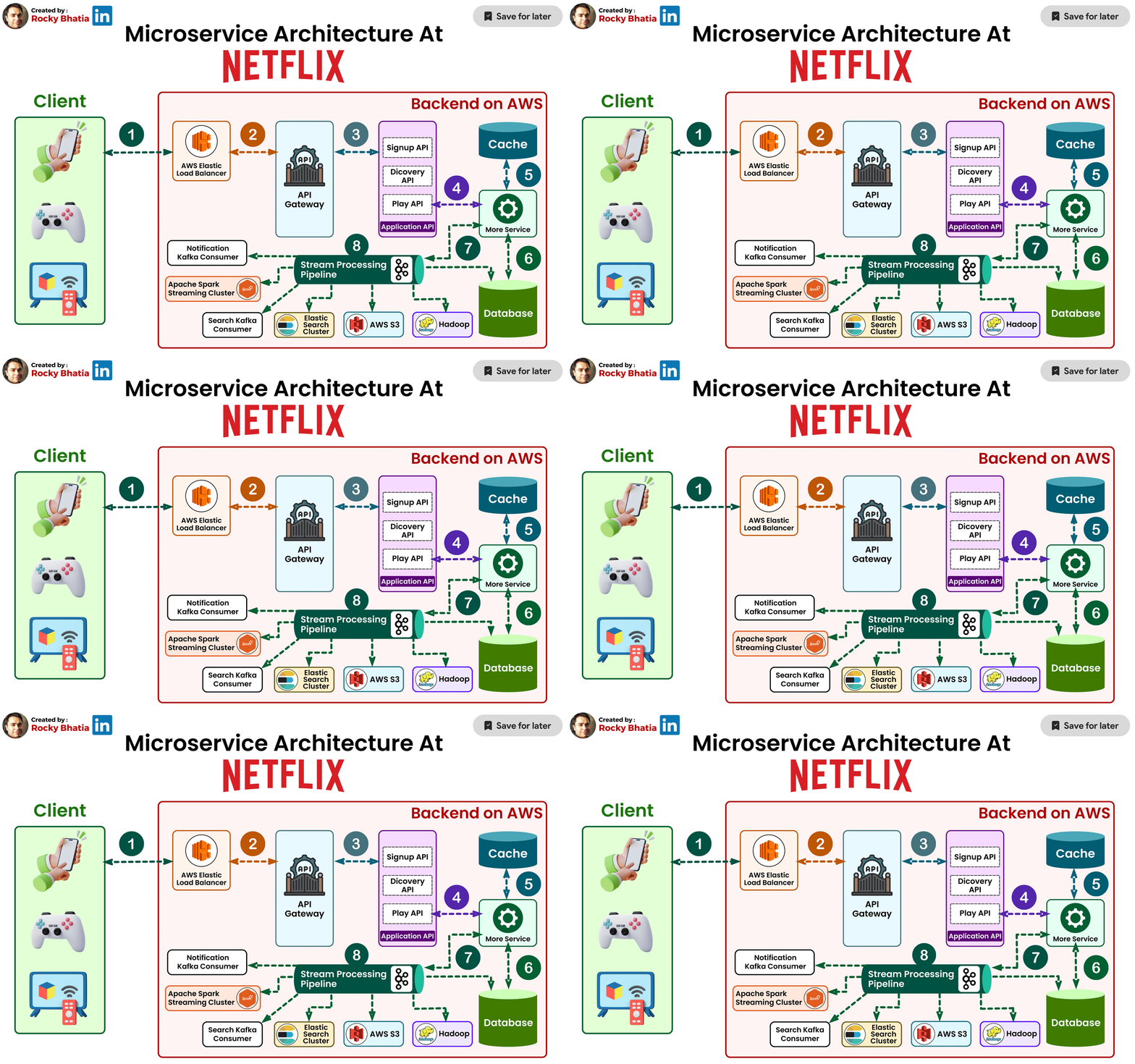


Netflix Data Engineer Interview Guide Landing a Data Engineer role at Netflix is a dream for many professionals in the data domain. Known for its high-performance culture, cutting-edge data infrastructure, and massive scale, Netflix offers one of the most challenging and rewarding interview processes in the tech industry. If you’re aiming to crack the Netflix Data Engineer interview, you need more than just technical skills—you must demonstrate ownership, strong decision-making, and alignment with Netflix’s unique culture Netflix Data Engineer Interview
This guide covers everything in detail: interview process, technical topics, behavioral expectations, preparation strategy, and FAQs.
1. Overview of Netflix Data Engineering Role
Netflix Data Engineer Interview Guide A Data Engineer at Netflix is responsible for building scalable data pipelines, enabling analytics, and supporting data-driven decision-making across the organization. Unlike many companies, Netflix emphasizes end-to-end ownership—you are expected to design, build, and optimize systems independently Big Data Interview Questions
Key Responsibilities:
- Build and maintain large-scale data pipelines
- Work with streaming and batch processing systems
- Optimize performance and reliability of data workflows
- Collaborate with data scientists and product teams
- Ensure data quality and governance
Common Tech Stack:
- Languages: Python, Java, Scala
- Tools: Apache Spark, Kafka, Airflow
- Cloud: AWS (S3, EMR, Redshift)
- Databases: SQL, NoSQL
2. Netflix Interview Process for Data Engineers


The interview process at Netflix is known for being selective and rigorous, often focusing equally on technical excellence and cultural alignment.
Step 1: Recruiter Screening
- Initial conversation about your background
- Discussion of past projects and experience
- Overview of Netflix culture and expectations
Step 2: Technical Screening
- Coding questions (Python/Java/SQL)
- Data manipulation and problem-solving
- Basic system design concepts
Abbott Data Engineer Interview Questions
Step 3: Onsite / Virtual Loop (4–6 rounds)
Includes:
- Coding interview
- SQL and data modeling round
- Data pipeline/system design round
- Behavioral and culture fit interviews
Step 4: Hiring Manager Round
- Deep dive into your projects
- Alignment with team goals
3. Key Technical Topics You Must Master
3.1 SQL and Data Manipulation
SQL is extremely important for Netflix Data Engineers.
Topics to Cover:
- Complex joins (inner, outer, self joins)
- Window functions (ROW_NUMBER, RANK, LEAD/LAG)
- Aggregations and groupings
- Query optimization
Example Question:
Find the top 3 most-watched shows per region.
Tips:
- Practice writing clean and optimized queries
- Focus on real-world datasets
The Ultimate Microsoft Interview Guide 2026
3.2 Data Structures & Algorithms
While Netflix doesn’t focus heavily on DSA like some companies, you still need strong fundamentals.
Important Topics:
- Arrays and strings
- Hash maps
- Sorting and searching
- Graph basics
Example:
- Detect duplicates in streaming data
- Find the most frequent elements
Data Pipeline Design Interview
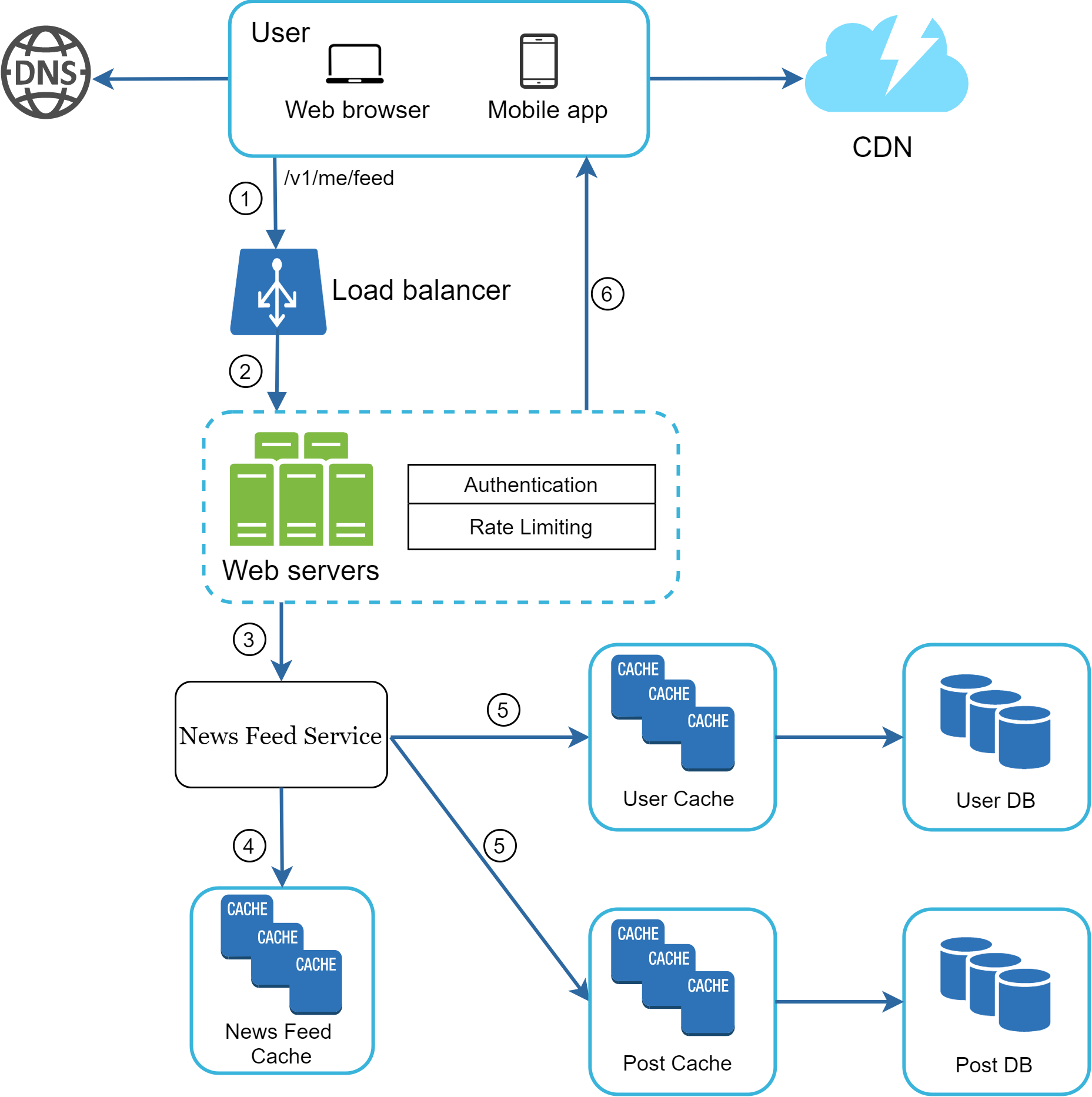
3.3 Data Pipeline Design
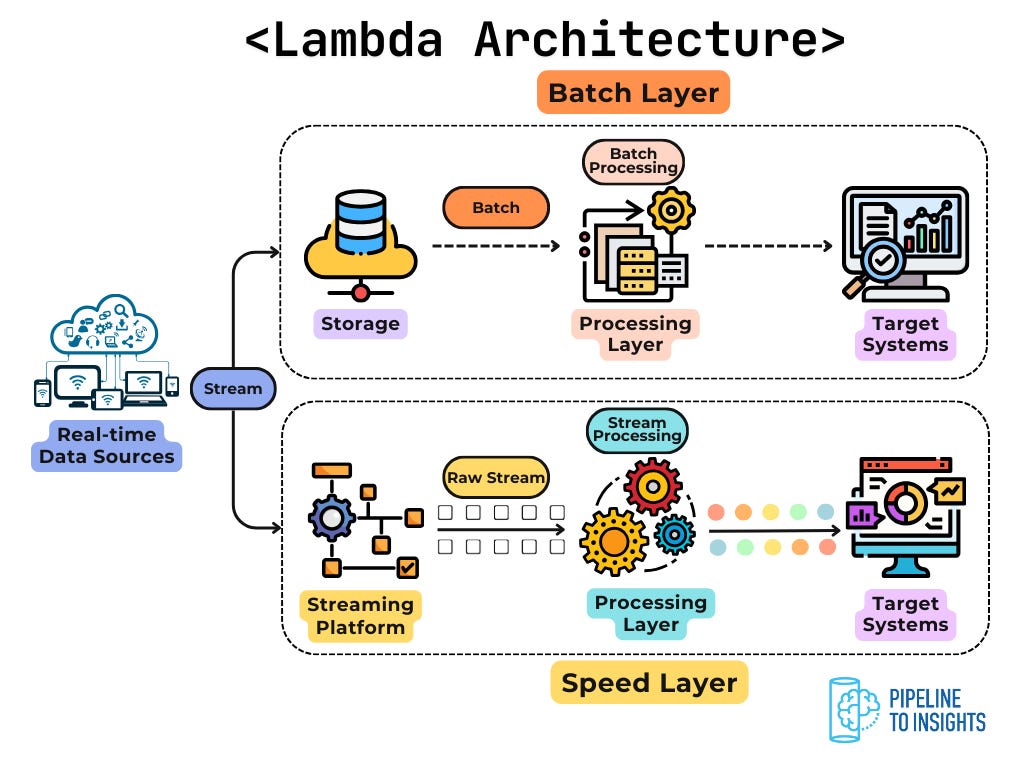

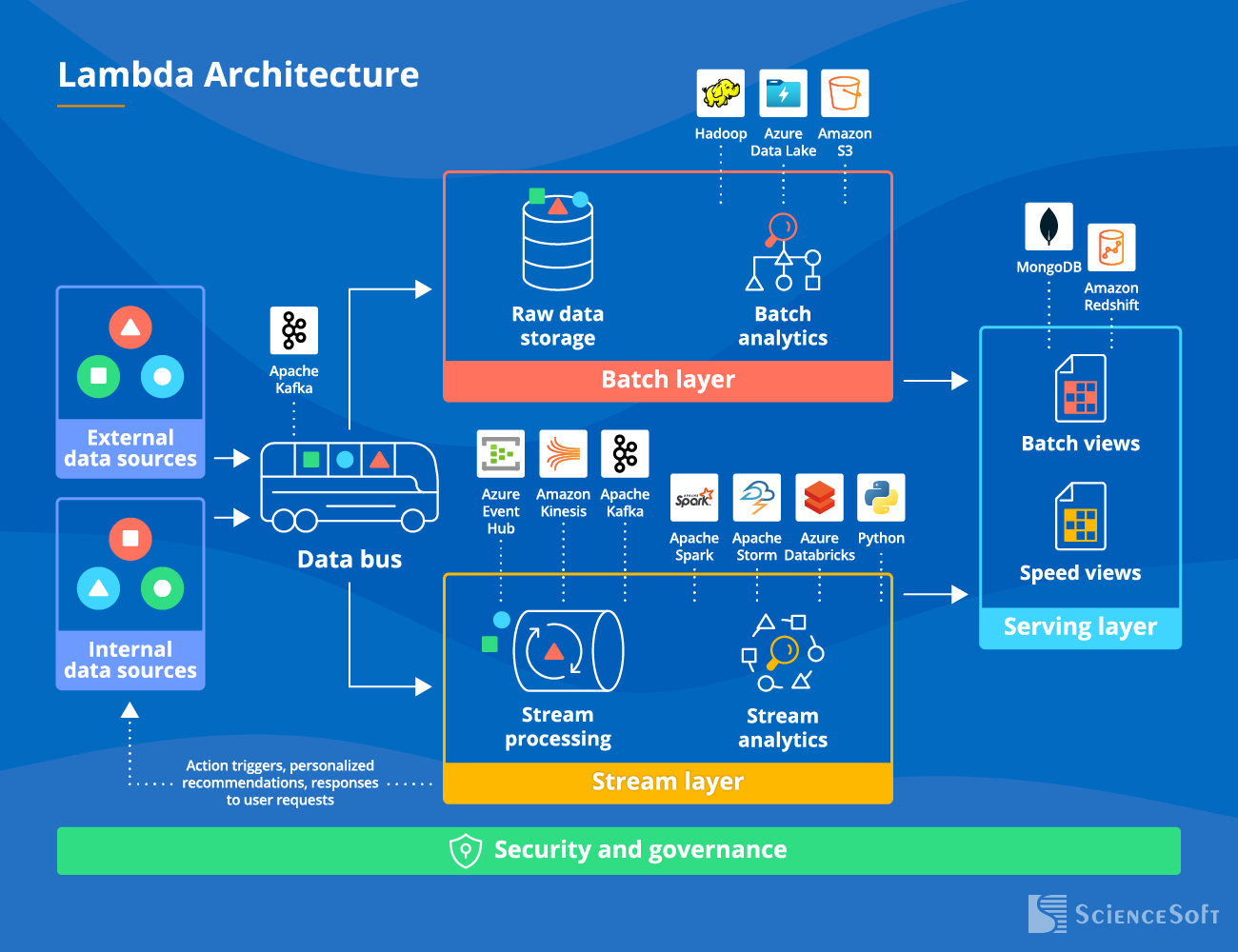
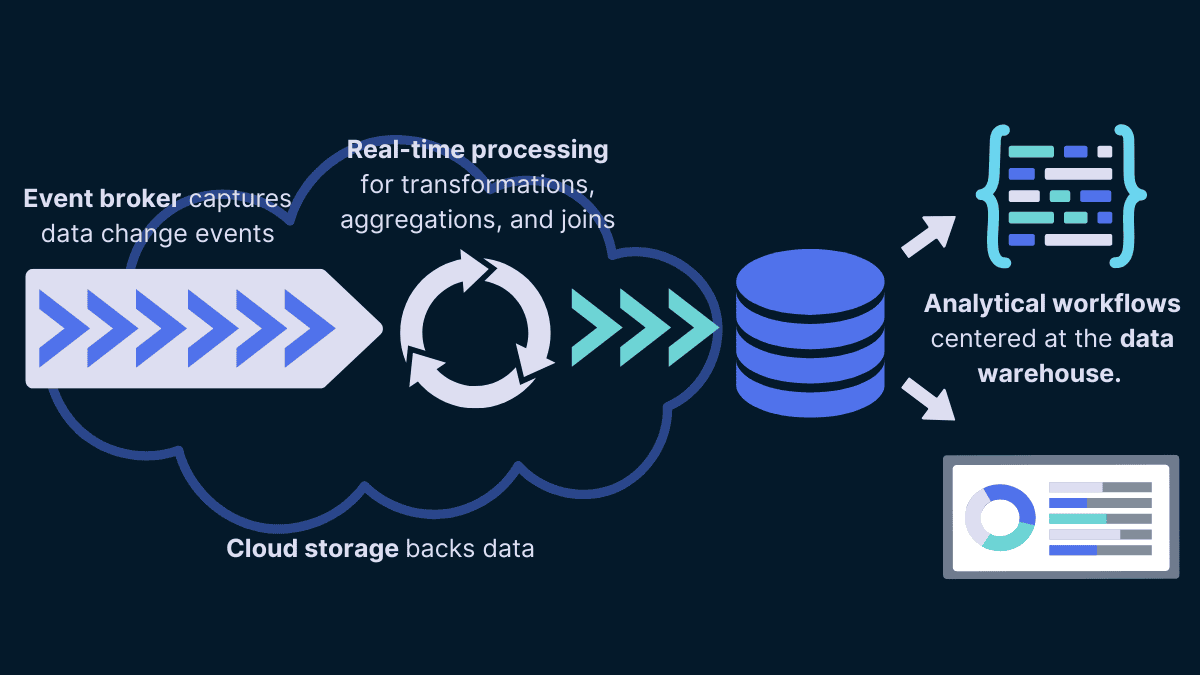
This is one of the most critical sections.
Concepts:
- ETL vs ELT
- Batch vs streaming pipelines
- Data partitioning and sharding
- Fault tolerance
Example Question:
Design a data pipeline to process millions of user events per second.
What Interviewers Look For:
- Scalability
- Reliability
- Cost optimization
- Monitoring strategies
3.4 Big Data Technologies
You should be comfortable with:
- Apache Spark
- Kafka
- Hadoop ecosystem
Key Areas:
- Distributed computing basics
- Parallel processing
- Data partitioning
3.5 Cloud and Storage Systems
Netflix heavily uses AWS.
Must-Know Services:
- S3 for storage
- EMR for processing
- Redshift for analytics
Concepts:
- Data lake vs data warehouse
- Storage optimization
- Cost management
4. System Design for Data Engineers
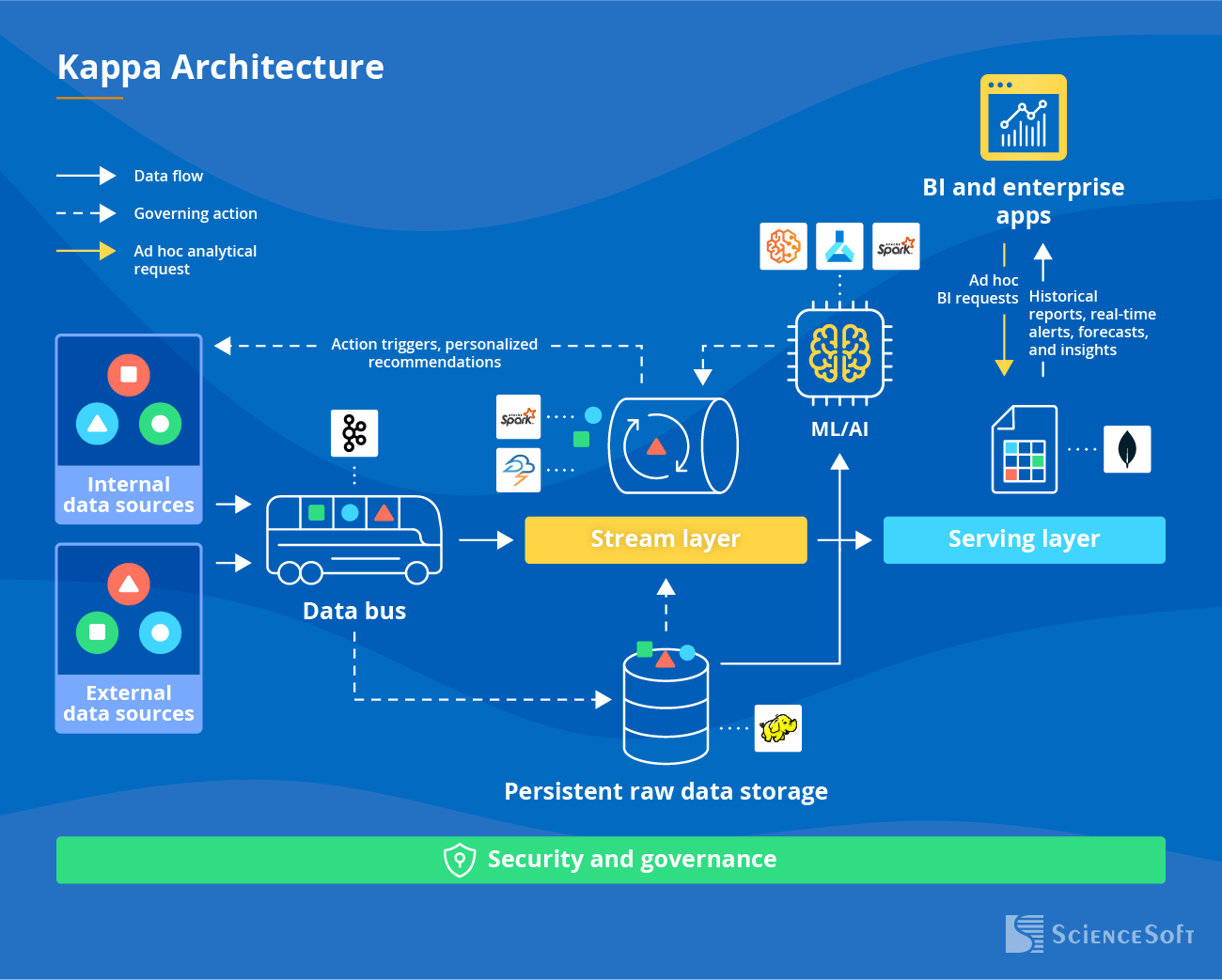
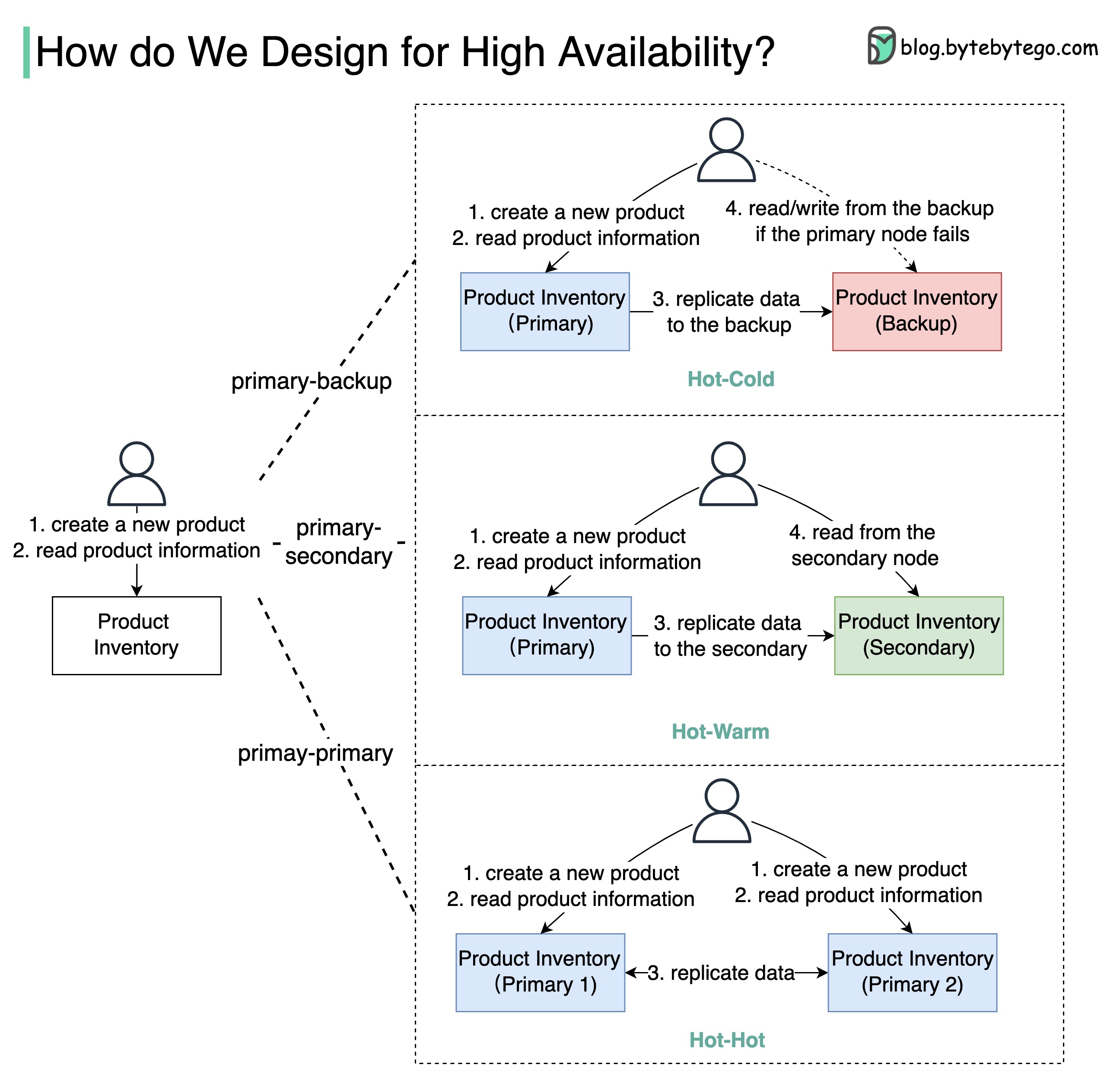
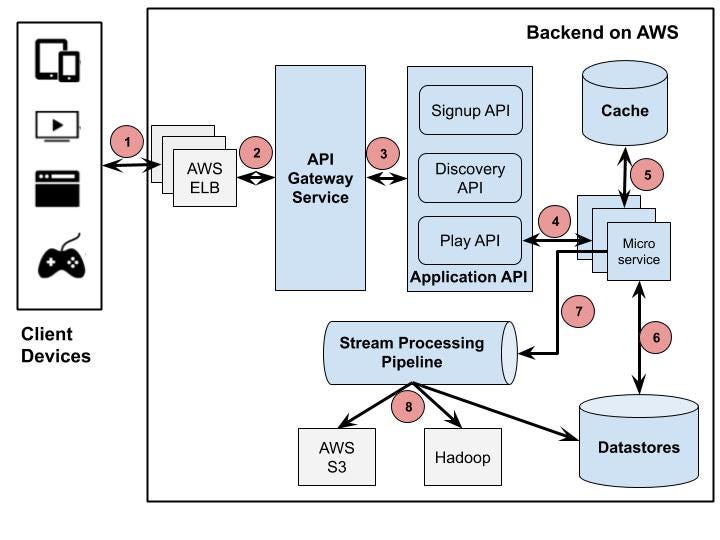

System design is a make-or-break round.
Common Questions:
- Design a real-time recommendation data system
- Build a log analytics pipeline
- Design a data warehouse for streaming platform
How to Answer:
- Clarify requirements
- Define scale (users, data volume)
- Choose architecture (batch vs streaming)
- Design components
- Discuss trade-offs
Key Considerations:
- Scalability
- Latency
- Fault tolerance
- Data consistency
5. Behavioral Interview (Very Important)
Netflix places huge emphasis on culture.
Netflix Culture Principles:
- Freedom and Responsibility
- Context, not control
- High performance
Example Questions:
- Tell me about a time you handled failure
- Describe a situation where you disagreed with a team
- How do you prioritize work?
What They Evaluate:
- Ownership mindset
- Decision-making ability
- Communication skills
6. Sample Netflix Data Engineer Interview Questions
SQL:
- Write a query to find daily active users
- Calculate retention rate
Coding:
- Process a stream of events and detect anomalies
- Find top K frequent items
System Design:
- Design a real-time analytics platform
- Build a scalable ETL pipeline
Behavioral:
- Tell me about your biggest challenge
- Describe a high-impact project
7. Preparation Strategy (Step-by-Step)
Step 1: Strengthen SQL
- Practice on platforms like LeetCode, HackerRank
- Focus on real-world analytics queries
Step 2: Learn Data Engineering Tools
- Work on projects using Spark, Kafka
- Build pipelines using Airflow
Step 3: Practice System Design
- Study real-world architectures
- Practice explaining designs clearly
Step 4: Mock Interviews
- Simulate real interview scenarios
- Practice communicating your thought process
Step 5: Understand Netflix Culture
- Study Netflix Culture Memo
- Prepare behavioral answers
Netflix Data Engineer Interview Guide
8. Common Mistakes to Avoid
- Ignoring system design preparation
- Weak SQL skills
- Overcomplicating solutions
- Not aligning with Netflix culture
- Poor communication during interviews
9. Pro Tips to Crack Netflix Interview
- Focus on real-world problem solving
- Explain trade-offs clearly
- Be concise and structured
- Show ownership and initiative
- Think like a product-focused engineer
10. Salary Expectations
Netflix is known for top-tier compensation.
Typical Range:
- Base Salary: $150K – $250K+
- Bonus: Performance-based
- Stock options included
Netflix often offers higher base salary instead of heavy stock compensation, giving candidates flexibility.
11. FAQs
Q1: Is Netflix harder than other FAANG interviews?
Yes. Netflix focuses more on practical skills and culture fit, making it uniquely challenging.
Q2: Do I need strong DSA skills?
Moderate DSA is enough, but SQL and system design are more important.
Q3: How important is culture fit?
Extremely important. Many candidates fail due to poor alignment with Netflix values.
Q4: What experience level is required?
Typically 3+ years, but expectations are higher than most companies.
Q5: Does Netflix ask LeetCode-style questions?
Some, but most questions are real-world data engineering problems.
Netflix Data Engineer Mock Interview (With Answers)
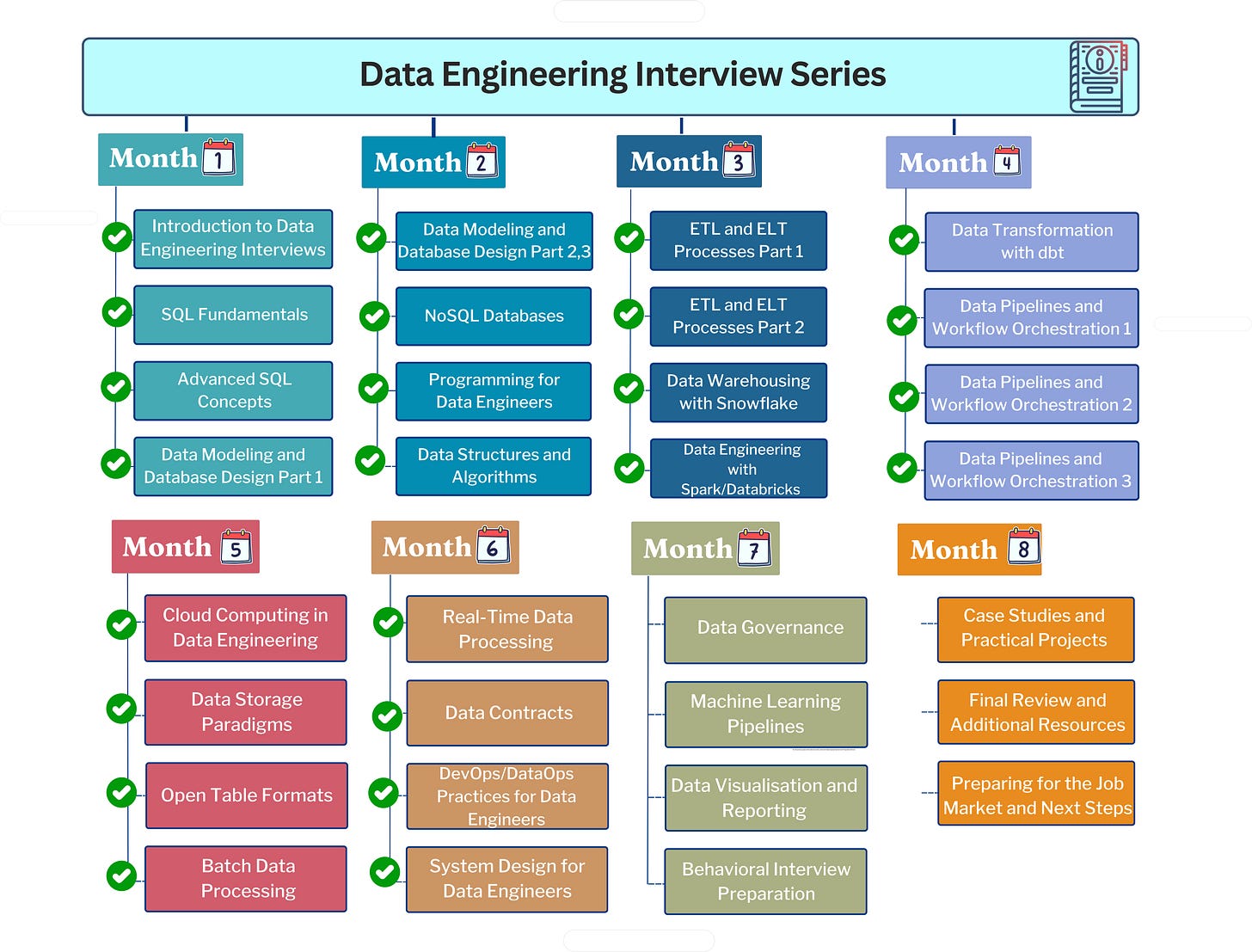


This mock interview simulates the real hiring process at Netflix and includes technical, system design, and behavioral rounds.
🧠 Round 1: SQL & Data Analysis
Question 1: Daily Active Users (DAU)
Problem:
Given a table user_activity(user_id, activity_date), calculate daily active users.
Answer:
SELECT activity_date, COUNT(DISTINCT user_id) AS dau
FROM user_activity
GROUP BY activity_date
ORDER BY activity_date;
Explanation:
- Use
COUNT(DISTINCT)to avoid duplicate users - Group by date to calculate daily activity
Question 2: Retention Rate
Problem:
Find 7-day retention rate.
Answer:
SELECT
  a.activity_date,
  COUNT(DISTINCT a.user_id) AS total_users,
  COUNT(DISTINCT b.user_id) AS retained_users,
  COUNT(DISTINCT b.user_id) * 1.0 / COUNT(DISTINCT a.user_id) AS retention_rate
FROM user_activity a
LEFT JOIN user_activity b
ON a.user_id = b.user_id
AND b.activity_date = DATE_ADD(a.activity_date, INTERVAL 7 DAY)
GROUP BY a.activity_date;
What Interviewers Look For:
- Join logic
- Understanding retention concept
- Clean SQL
Round 2: Coding
Question 3: Top K Frequent Elements
Problem:
Find top K frequent elements in a stream.
Answer (Python):
from collections import Counter

def top_k(nums, k):
    count = Counter(nums)
    return [item for item, freq in count.most_common(k)]
Follow-up:
How would you handle streaming data?
Answer:
- Use heap + hashmap
- Or approximate algorithms (Count-Min Sketch)
Question 4: Detect Duplicate Events
Problem:
Detect duplicate events in a real-time stream.
Answer Approach:
- Use a hash set for recent events
- Use windowing (time-based)
- Store event IDs in Redis or cache
Round 3: Data Pipeline Design

Question 5: Design a Real-Time Data Pipeline
Problem:
Design a system to process millions of user events per second.
✅ Ideal Answer Structure:
1. Requirements:
- Real-time processing
- High throughput
- Fault tolerance
2. Architecture:
- Producers → Kafka → Spark Streaming → Storage
3. Components:
- Kafka for ingestion
- Spark for processing
- S3/Data Lake for storage
4. Scaling:
- Partition Kafka topics
- Use distributed processing
5. Fault Tolerance:
- Checkpointing
- Retry mechanisms
6. Monitoring:
- Metrics (latency, failures)
Round 4: System Design
Question 6: Design Netflix Recommendation Data System
Answer Structure:
1. Input Data:
- User watch history
- Ratings
- Click events
2. Processing:
- Batch processing for models
- Streaming for real-time updates
3. Storage:
- Data lake + warehouse
4. Output:
- Personalized recommendations
5. Challenges:
- Latency
- Data freshness
- Scalability
Round 5: Behavioral (Critical)
Question 7: Tell me about a failure
Strong Answer Structure (STAR Method):
- Situation
- Task
- Action
- Result
Example:
“In a previous project, a pipeline failure caused data loss. I quickly identified the issue, implemented retry logic, and added monitoring alerts. This reduced failures by 40%.”
Question 8: Why Netflix?
Sample Answer:
- Interest in large-scale systems
- Alignment with Netflix culture
- Passion for data-driven decisions
30-Day Netflix Data Engineer Preparation Roadmap

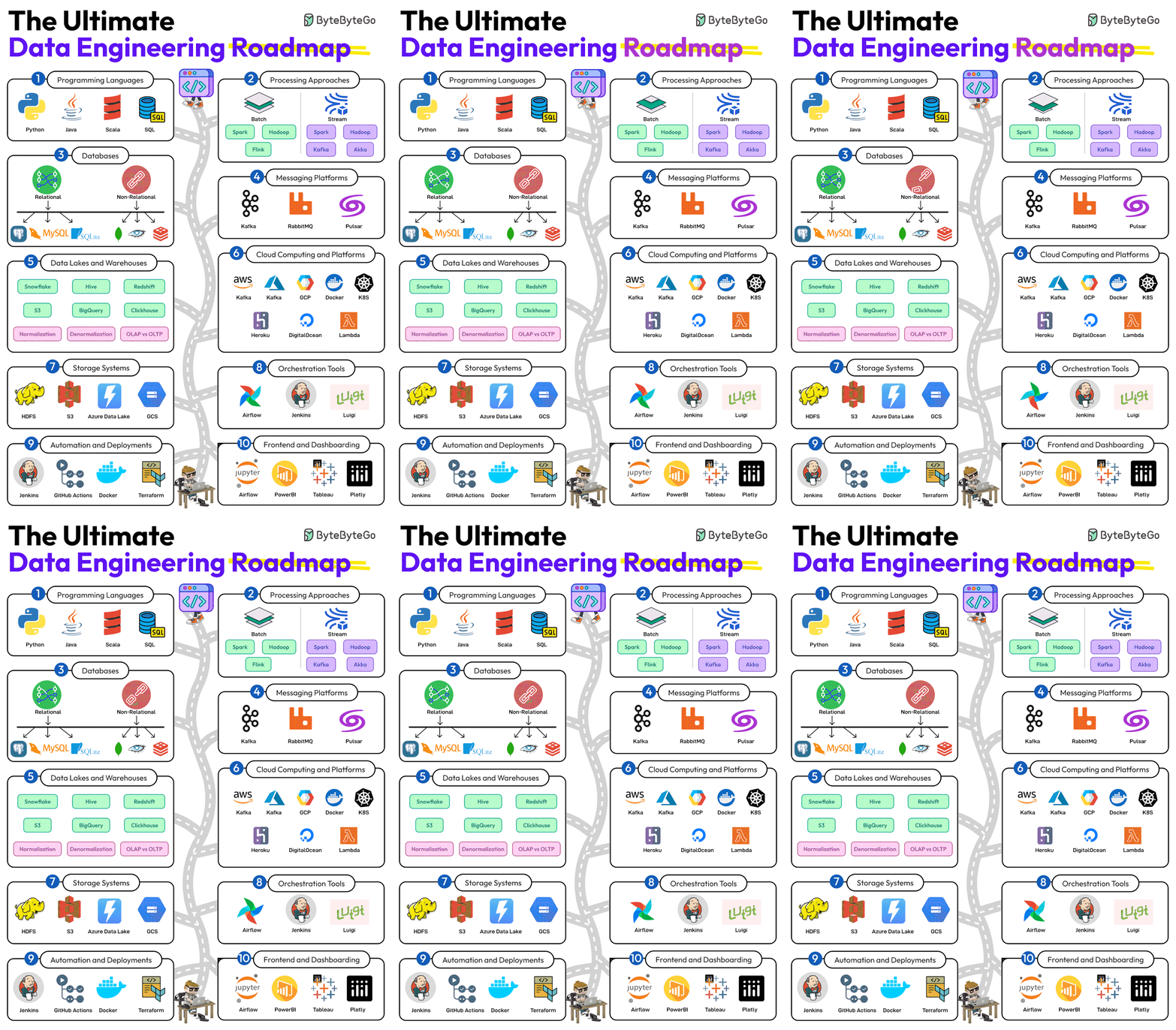


This roadmap is designed for working professionals and job seekers.
Week 1: SQL Mastery
Focus Areas:
- Joins
- Window functions
- Aggregations
Daily Plan:
- Solve 5–10 SQL problems
- Practice real datasets
Week 2: Data Structures + Coding
Focus:
- Arrays, Hashmaps
- Sorting
- Streaming problems
Practice:
- 2–3 coding problems daily
- Focus on clean code + explanation
Week 3: Data Engineering Concepts
Focus:
- ETL pipelines
- Kafka, Spark
- Batch vs streaming
Tasks:
- Build a mini pipeline project
- Use Airflow or Spark
Week 4: System Design + Behavioral
Focus:
- Data system design
- Mock interviews
- Netflix culture
Daily Tasks:
- Practice 1 system design question
- Prepare behavioral answers
Final Thoughts
Cracking the Netflix Data Engineer interview requires a balanced combination of technical expertise, system design skills, and cultural alignment. Unlike traditional companies, Netflix looks for engineers who can operate independently, make impactful decisions, and build scalable systems.
If you focus on:
- Strong SQL and data modeling
- Real-world data pipeline design
- Clear communication
- Understanding Netflix culture
—you significantly increase your chances of success.
Yes—you can absolutely continue in the same post/article 👍
That’s actually a great SEO strategy because longer, structured content (2500–4000+ words) ranks better on Google.
Below is a complete Netflix Data Engineer Mock Interview (with answers) + a 30-day preparation roadmap you can directly add to your article.
